
Leave your phone. Take stock instead.
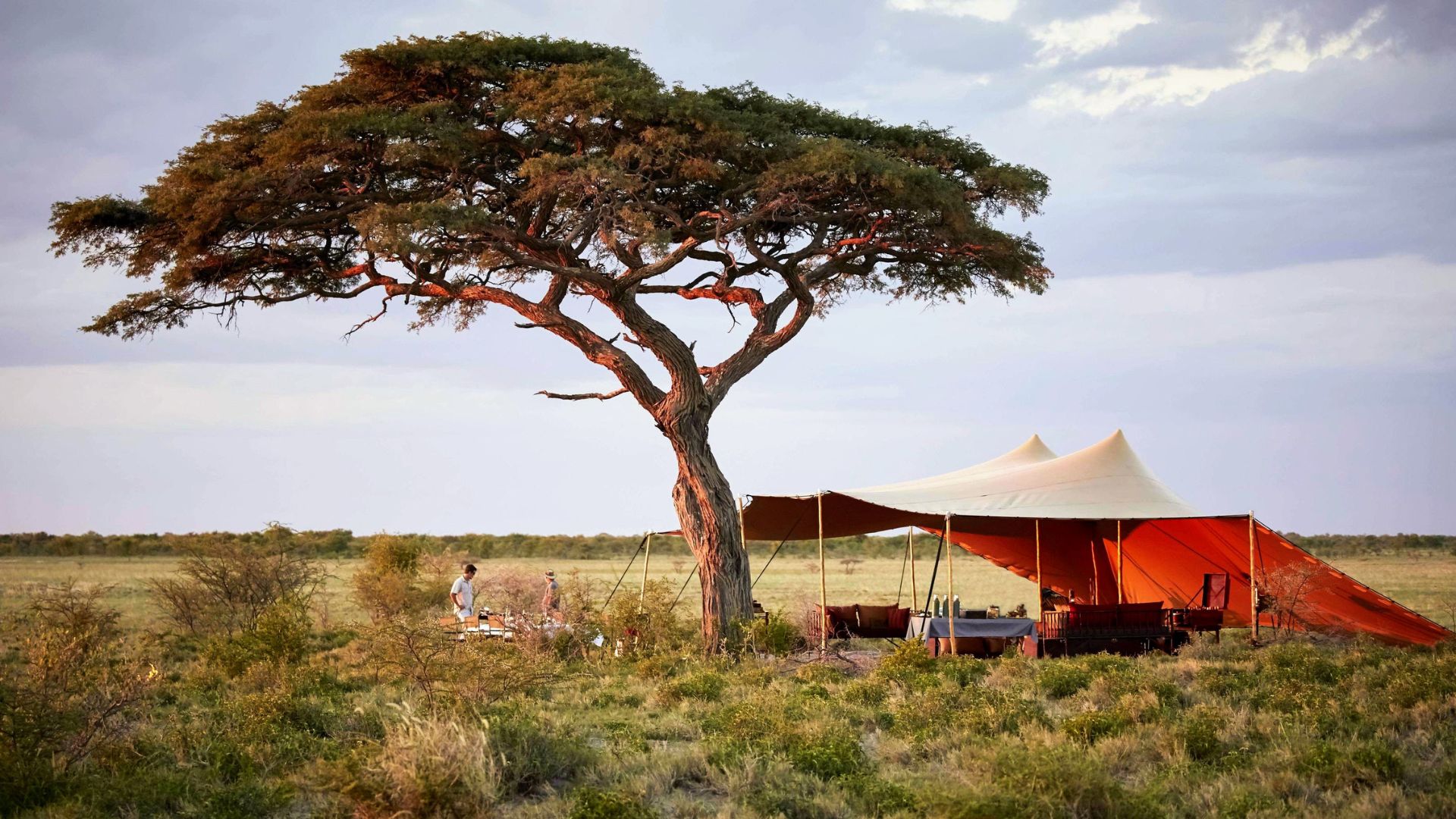
On safari, your full attention is the most valuable thing you can bring — and leaving your phone behind is the simplest way to find it.
There is a moment on safari that most people miss. It happens in the early morning, somewhere between leaving camp and the first sighting. The light is gentle and golden, the air is cool with the promise of heat, the vehicle is moving slowly through the bush, and birds are singing their morning chorus. It is one of the peaceful, most alive moments available to a human being anywhere on earth.
And most people spend it checking their phone. Or even just trying to capture it, on their phone. Why? Not out of urgency. Not because anything important has happened. But because the habit is so deeply worn into us that silence — real silence, the kind that a wild landscape offers — has become unfamiliar, perhaps even uncomfortable. We reach for the screen before we have even registered that we are doing it.
The phoneless safari, or the digital detox safari, is a direct response to this. And it is one of the most quietly radical things you can do on a journey into Africa.
What You Actually Gain
Researchers who study attention and natural environments describe a phenomenon called soft fascination — the way that wild landscapes replenish an overtaxed brain in ways that screens actively prevent. The science is consistent: time in nature, without digital interruption, lowers cortisol, reduces anxiety, sharpens focus and improves sleep. These effects are measurable within days. On a safari, where the stimulation of the natural world is continuous and extraordinary, the impact is amplified significantly.
But the science only explains part of it.
What the research cannot fully capture is the quality of a moment when your full attention is present in it. The specific silence before a leopard moves through long grass. The sound of an oxpecker landing on the flank of a buffalo ten metres away. The way an elephant looks at you — directly and deliberately — when you are still enough to be looked at. None of these are available through a lens, or a screen, or the quasi-attention of someone busy composing an Instagram caption in their head. Presence is not a wellness concept. On safari, it’s the whole point.
What You Actually Lose
Very little, as it turns out. The world does not move on without you when you aren’t in physical contact with your phone. The photographs you would have taken are, by any honest measure, inferior to what a professional guide or wildlife photographer can produce. Or choose to take a camera that keeps you in your present place. The posts you might have shared while in camp will still be shareable when you return.
What you lose, mostly, is the performance of the experience. The narrating of it in real time to people who are not there. And when you stop narrating, something shifts. You stop being a witness to the safari and start being a participant in it.
For families, this matters most
The moments that children carry into adulthood – the ones that shape their sense of wonder, their relationship with the natural world, their understanding of what an adventure travel can be – happen in the precious space that devices cordon off. A morning in the Okavango without a screen, tracking wild dogs through the floodplain with a guide who knows every creature by their call, will do more for a family’s connection to each other and to the world than any amount of carefully curated content and perfectly perfect selfies. Children who are phoneless on safari ask more questions. They notice more. They remember more. The research on this is unambiguous.
How to Begin
There are options. The phoneless safari can be as big a gesture as you choose. We suggsting going all in, leave your phone uncharged in your bag, and give the number of your camp to the people who might need it. Your camp manager can always get an important message to you. Alternatively, make a simple agreement to check your phone once a day, between the morning game drive and the evening one and leave devices in your bedroom during the rest of your time. Bring a notebook instead. Write down what you see and what it made you feel. Those words will take you back to that place more easily that a jam-packed camera roll.
And then, just leave the bush to do the rest.
Sindisa designs journeys, expeditions and private retreats that create the conditions for genuine presence. The phoneless safari is one of the most intentional ways to begin.
Botswana, bush camps, Celebratory journeys, connection, Couple and friendship getaways, Creative escapes, curiosity, digital detox, journalling, Leadership development, Multi-generational family travel, Okavango Delta, Restorative journeys, Sabbaticals & life transitions, School expeditions, silence, slow travel, Wellness retreats